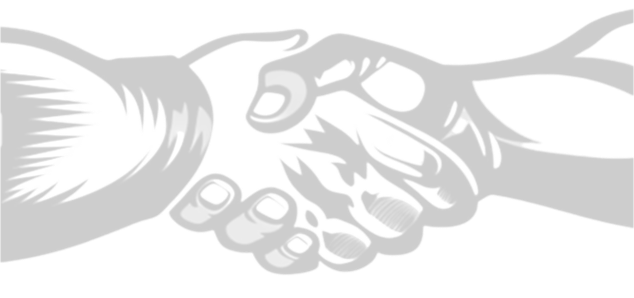

Decoding Handshakes Around the World
That initial clasp, the brief pressure, the subtle shake – the handshake. It seems so simple, so universal. Yet, beneath this seemingly common gesture lies a fascinating tapestry of cultural nuances and unspoken meanings. The power of the first grip extends far beyond a mere greeting; it can build bridges or inadvertently create divides depending on how it’s executed and where you are in the world.
In many Western cultures, a firm handshake is often equated with confidence, sincerity, and professionalism. A weak or “limp fish” grip can be perceived negatively, suggesting a lack of assertiveness. However, venture eastward, and the interpretation shifts. In some Asian cultures, a gentler touch is preferred, signifying respect and humility. A bone-crushing grip might be seen as aggressive or even rude.
The duration of the handshake also carries cultural weight. A quick pump might be standard in some Western business settings, while a lingering hold in certain Latin American countries can indicate warmth and a desire for connection. Similarly, the inclusion of a second hand – often placed on the forearm or elbow – can convey sincerity and trust in some cultures, but might be considered overly familiar or even intrusive in others.
Consider the cultural significance within specific regions. In parts of the Middle East, handshakes may last longer and are often accompanied by direct eye contact, signifying trust and engagement. In some African cultures, a softer grip is customary, and showing deference to elders or those in authority is paramount in the handshake.
Navigating these cultural variations can feel like traversing a minefield. The key lies in observation and adaptability. Pay attention to how locals greet each other. Mirror their approach, and when in doubt, err on the side of gentleness and respect. A little cultural sensitivity in your grip can go a long way in making a positive first impression and fostering meaningful connections across borders. The power of that first grip, after all, lies not just in the physical contact, but in the unspoken message it conveys.


 HANDSHAKE DIGEST
Leave a comment