Tag: Greeting etiquette

  • Handshake, Fist Bump, or Wave? A Greeting Ranking for Five Real Situations

    Handshake, Fist Bump, or Wave? A Greeting Ranking for Five Real Situations

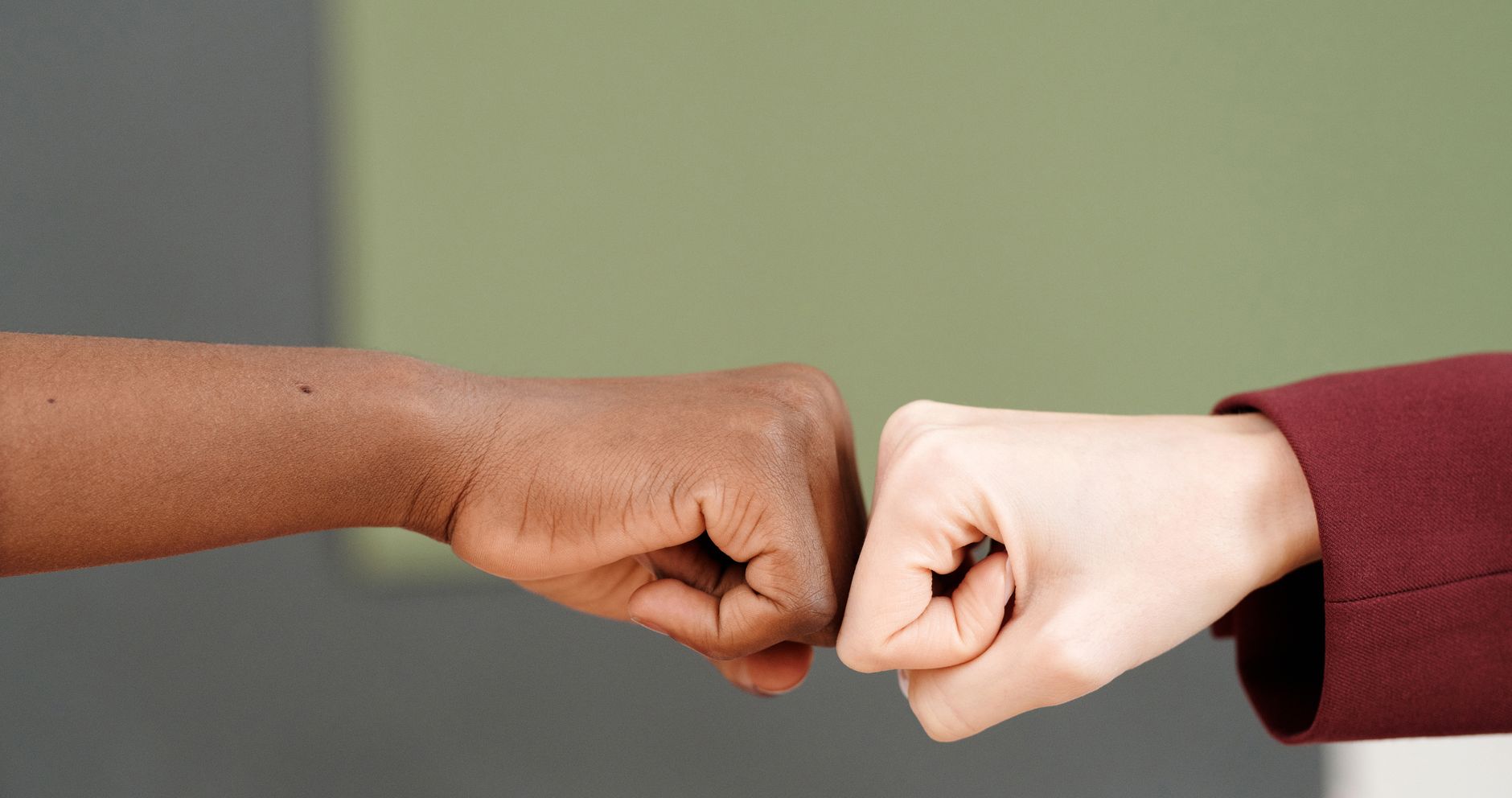
    How do you choose between a handshake, fist bump, and wave?

    Choose based on the person’s preference, your relationship, the setting, and whether contact is welcome. For an unfamiliar situation, a warm hello works before any physical choice. Our rankings compare practical fit; they are editorial advice, not a universal etiquette law enforced by the Palm Police.

    One ranking cannot cover every greeting. A handshake that fits a client introduction might feel ridiculous while your friend is carrying nachos. A fist bump that fits a celebration might be confusing when a new colleague is expecting words first.

    1. The first professional introduction

    Our order: verbal hello first, offered handshake second, wave third, fist bump only if invited. Start by saying your name and acknowledging the other person. If a hand is offered and you welcome contact, respond comfortably.

    The greeting should reduce uncertainty. It should not require the other person to decide whether the incoming fist is friendly before you have told them who you are. Save the experimental choreography for people who already know your name.

    2. The old-friend reunion

    Our order: the greeting you both like first, verbal hello always, improvisation last. That might mean a handshake, dap, wave, or hug. Existing familiarity gives you information, but it does not erase a changed preference.

    If your friend used to love hugs but now offers a wave, follow today’s cue. People are allowed to update their greeting settings without issuing a press release.

    3. The video meeting

    Our order: spoken greeting and wave, then just the spoken greeting. Handshakes and fist bumps toward a camera can be a shared joke, but they do not add contact or clarity.

    Say the person’s name if you know it, check that they can hear you, and get into the conversation. The webcam has enough work trying to decide whether your bookshelf is in focus.

    4. The shared celebration

    Our order: specific congratulations, then an offered high-five or fist bump if it fits, then a handshake for a more formal occasion. The achievement should get the headline; the greeting is punctuation.

    Do not hit an unsuspecting hand or shoulder because you are excited. Let the person see the offer. A successful project deserves celebration, not an accidental stunt sequence.

    5. The crowded event with drinks and bags

    Our order: verbal greeting, small wave, handshake after hands are free. A fist bump can work if clearly offered, but reaching around drinks raises the difficulty level unnecessarily.

    “Good to see you—let me set this down” buys a normal amount of time. Do not balance a glass, bag, phone, and extended arm as though the event hired you from Cirque du Soleil.

    The deciding rule

    If your preference differs from the other person’s, choose an option both can comfortably accept. Neither person needs to win. A wave is a perfectly respectable tie-breaker.

    Quick answers

    Is a handshake always more respectful?

    No. Respect is expressed by considering the other person and the setting. An unwanted handshake can be less respectful than a welcome verbal greeting.

    What if I choose the wrong move?

    Pause, smile, and name a simple option. “Wave it is” can rescue the whole moment. There is no requirement to submit a greeting incident report.

    Keep your grip game going

  • 7 Handshake Alternatives, Ranked by How Easy They Are to Read

    7 Handshake Alternatives, Ranked by How Easy They Are to Read

    What is the easiest alternative to a handshake?

    A warm verbal hello with a small nod is the clearest no-contact alternative. It works without requiring the other person to decode a new hand shape. Our ranking below favors clarity, comfort, and ease in everyday introductions—not scientific superiority or universal cultural rules.

    The problem with alternatives is rarely that they are bad. It is that two people choose different ones at exactly the same moment. Your fist bump meets their handshake, and suddenly you are both trying to assemble IKEA furniture without the instructions.

    How we ranked the greetings

    We considered three practical questions: Is the intention obvious? Can someone respond without touching? Does it work with a person you have just met? This is Handshake Digest’s editorial judgment, designed for general social and professional situations. Local custom and individual preferences can change the order.

    The ranking

    1. A spoken hello and nod

    “Nice to meet you” plus a nod requires almost no choreography. You can do it seated, across a room, or with your hands full. Do not confuse simple with cold: your tone does the work.

    2. A small wave

    Excellent at a distance or in a noisy room. Keep it visible and relaxed. A tiny wave is enough; your elbow does not need to signal a rescue helicopter.

    3. A hand over your own chest

    This can communicate warmth without contact, especially when paired with words. Its meaning varies by setting, so use the verbal greeting to make your intention clear rather than treating it as a universal code.

    4. An offered fist bump

    Compact and familiar in many casual settings. Offer it visibly and wait. If the other person presents a handshake, pause and choose one together. No one wins the greeting by being faster.

    5. A high-five

    Great for a shared success; less clear for a quiet first introduction. Raise the hand early enough for the other person to see it, and skip the surprise slap. Celebrations should not require protective eyewear.

    6. An elbow bump

    It can work when both people expect it. It asks for more body positioning than a wave, though, and may be uncomfortable for someone with limited movement. Do not assume it is everyone’s preferred contact alternative.

    7. An elaborate secret greeting

    Fantastic with a willing partner who knows the sequence. Bad as an unannounced substitute at a networking event. Your best friend knows step four; the purchasing manager does not even know there is a step two.

    The sentence that makes any alternative easier

    “I’m doing a wave today—great to see you.” That brief explanation removes ambiguity without inviting a debate. You can choose a non-contact greeting for any reason. You do not need to present a doctor’s note to the Department of Palms.

    If someone declines your offer, respond warmly and move on. Do not change from a handshake to three other touch options until they surrender. A refusal of contact is enough information.

    Quick answers

    Is a fist bump automatically appropriate in business?

    No. Read the setting and the person. A spoken hello is easier when you are unsure.

    Can I be friendly without any physical greeting?

    Absolutely. Say the person’s name, listen, and engage. Warmth lives in your behavior, not exclusively in your hand.

    Keep your grip game going